
Updated
The Daily Standup, Done Right
A standup is supposed to take 15 minutes and surface blockers — not become a status report nobody wants to give. Here's the format that keeps it that way.
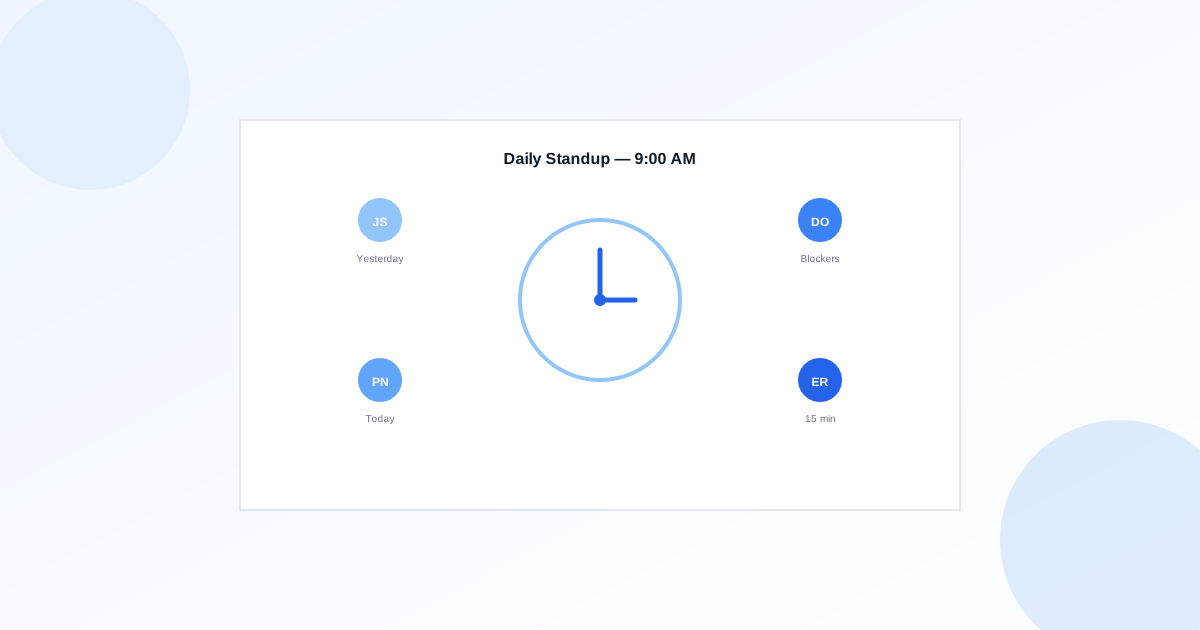
Running the Meeting
Start at the same time, every time
A standup that starts 'whenever everyone's around' trains people to show up late. Pick a fixed time, put it on the calendar, and start on time even if two people are missing.
Ask three questions, in order
What did you finish since the last standup? What are you working on today? Is anything blocking you? Stick to this order — it keeps the meeting a status sync, not an open-ended discussion.
Cap it at 15 minutes
If standups regularly run long, it's a sign real discussion is happening that belongs in a separate conversation. Note the topic, name who needs to be in it, and move on.
Take deep discussion offline
The moment someone starts debugging a problem out loud, say 'let's take this offline' and note it as a follow-up. Protect the standup's brevity for everyone else in the room.
Log blockers where the team can see them
A blocker mentioned once in a standup and never written down gets forgotten. Attach it to the relevant task so it's visible to whoever can unblock it, even if they weren't in the meeting.
Common Failure Modes
Skip the Status Report Standup
My First Task's board shows what everyone's working on and what's blocked — before the meeting even starts.